 LOGIN
LOGIN
LOGIN
LOGIN
OceanOS is a vertical artificial intelligence platform built specifically for marine ecosystems, fisheries, vessels, and ocean operations.
OCNA® is our proprietary cognitive AI architecture designed to transform biological, environmental, operational, and vessel data into a distributed marine intelligence network.
Unlike generic AI platforms, OCNA is engineered for the complexity of the ocean: persistent memory, contextual reasoning, multi-source consensus, telemetry fusion, predictive modeling, and adaptive learning across dynamic marine environments.
Built for fisheries and marine ecosystems, OCNA helps make the ocean more readable, responsive, and intelligent.
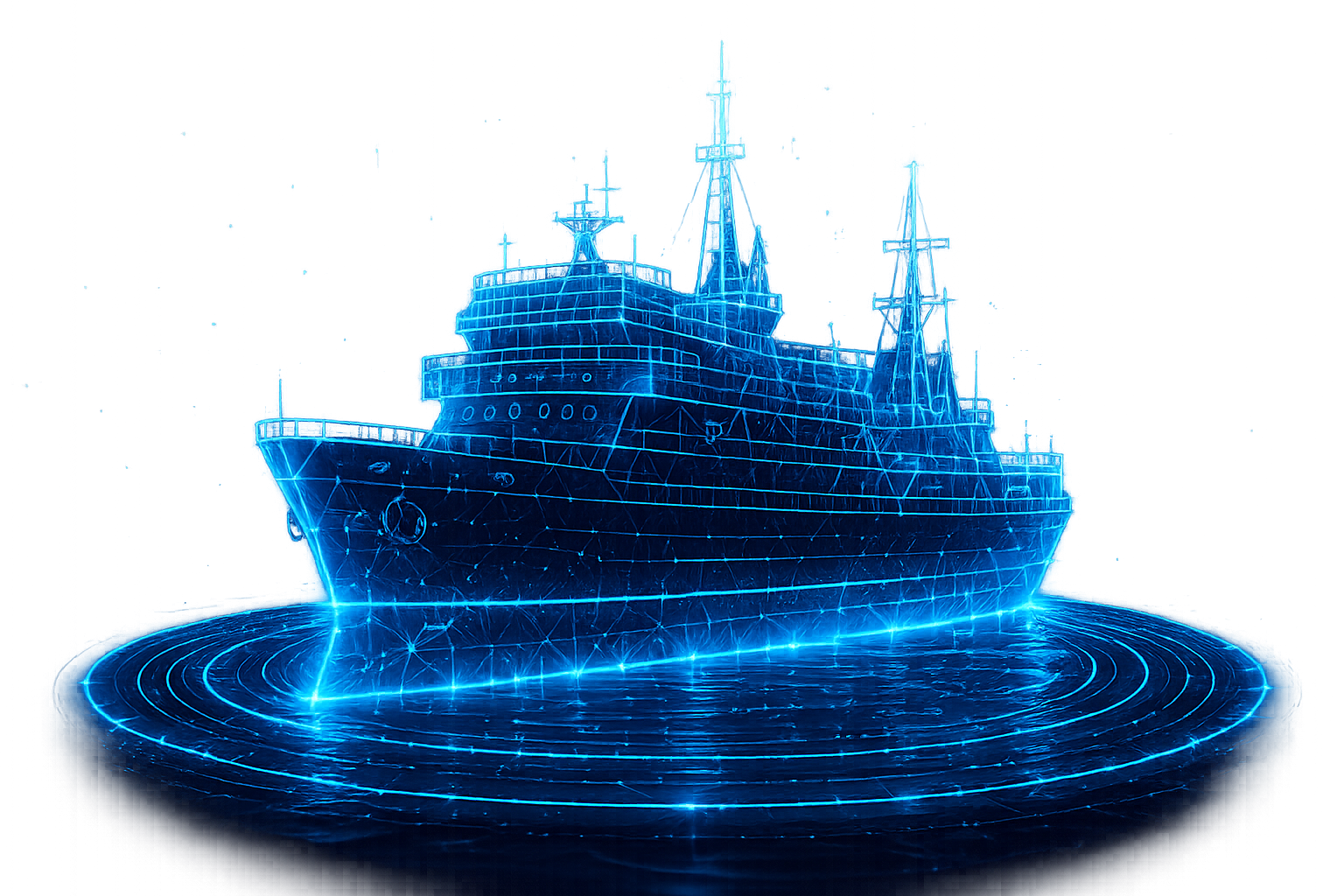
OCNA transforms marine assets, vessels, sensors, and operational data streams into a distributed autonomous marine intelligence network.Unlike traditional AI networks, OCNA does not rely on conventional mining mechanisms. Instead, it operates through a proprietary decentralized validation framework.
Designed for fisheries, marine ecosystems, vessels, ports, and maritime operations, OCNA transforms ocean data into predictive intelligence, operational awareness, and autonomous decision support.
OCNA is not a generic AI model. It is engineered specifically for the complexity of marine environments, fishing operations, ecosystem dynamics, and maritime infrastructure.
The architecture combines persistent memory, contextual reasoning, telemetry fusion, multi-source consensus, and adaptive learning to support reliable ocean intelligence in real time.
Vessels, sensors, ports, and marine devices become intelligent ocean nodes, continuously feeding operational and environmental signals into the OCNA marine intelligence network.
OCNA supports commercial fisheries with predictive route optimization, fleet coordination, quota intelligence, ecosystem monitoring, traceability, and sustainable resource management.
OCNA analyzes oceanographic, biological, environmental, and vessel data to anticipate risks, optimize decisions, improve efficiency, and support safer marine operations.
We provide scalable AI infrastructure enabling fleets, fisheries, ports, governments, and scientific networks to integrate OCNA directly into platforms, devices, and operational systems.
Unlike traditional AI systems that rely exclusively on external LLMs, OCNA integrates proprietary cognitive reasoning layers designed to operate reliably in highly dynamic marine environments with persistent contextual awareness.
OCNA enables the creation of intelligent marine digital twins capable of simulating vessel behavior, ecosystem conditions, operational risks, environmental changes, and maritime infrastructure in real time.
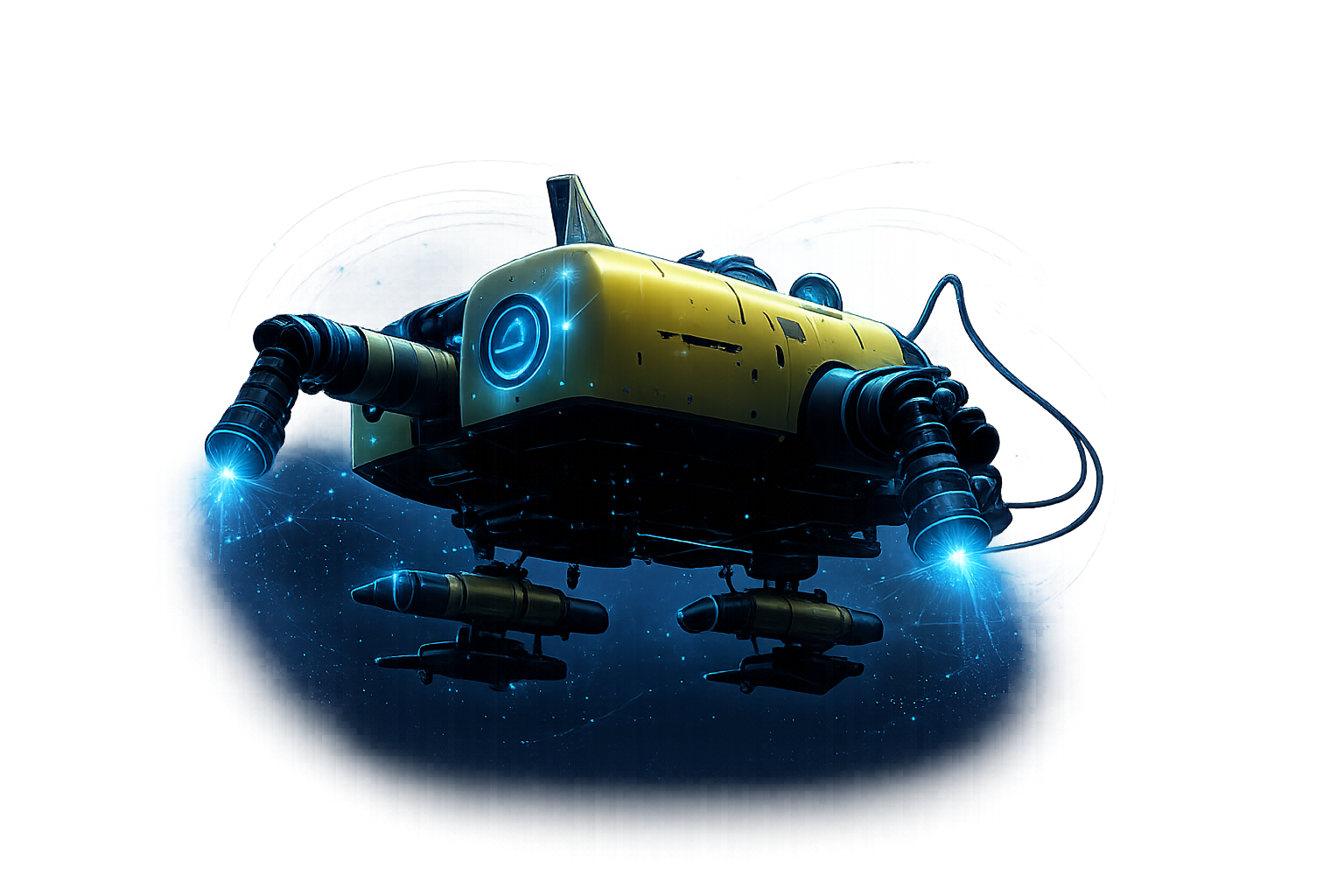
Integrate predictive ocean intelligence, fisheries analytics, environmental monitoring, telemetry fusion, and OCNA cognitive services directly into your platforms, vessels, and operational infrastructure.
OCNA enables the transition toward autonomous marine intelligence by transforming vessels, sensors, fleets, and ocean infrastructure into interconnected cognitive nodes capable of real-time learning, environmental understanding, predictive operations, and ecosystem awareness.
The platform is designed to support smarter fleet coordination, predictive maintenance, fuel optimization, emissions reduction, sustainable fisheries management, maritime safety, and continuous monitoring of marine ecosystems.

OCNA architecture allows the system to scale without costs. The core value of the network is the Data Quality Engine: an AI-driven validation and scoring layer designed to evaluate the usefulness, reliability and commercial value of incoming marine data streams.
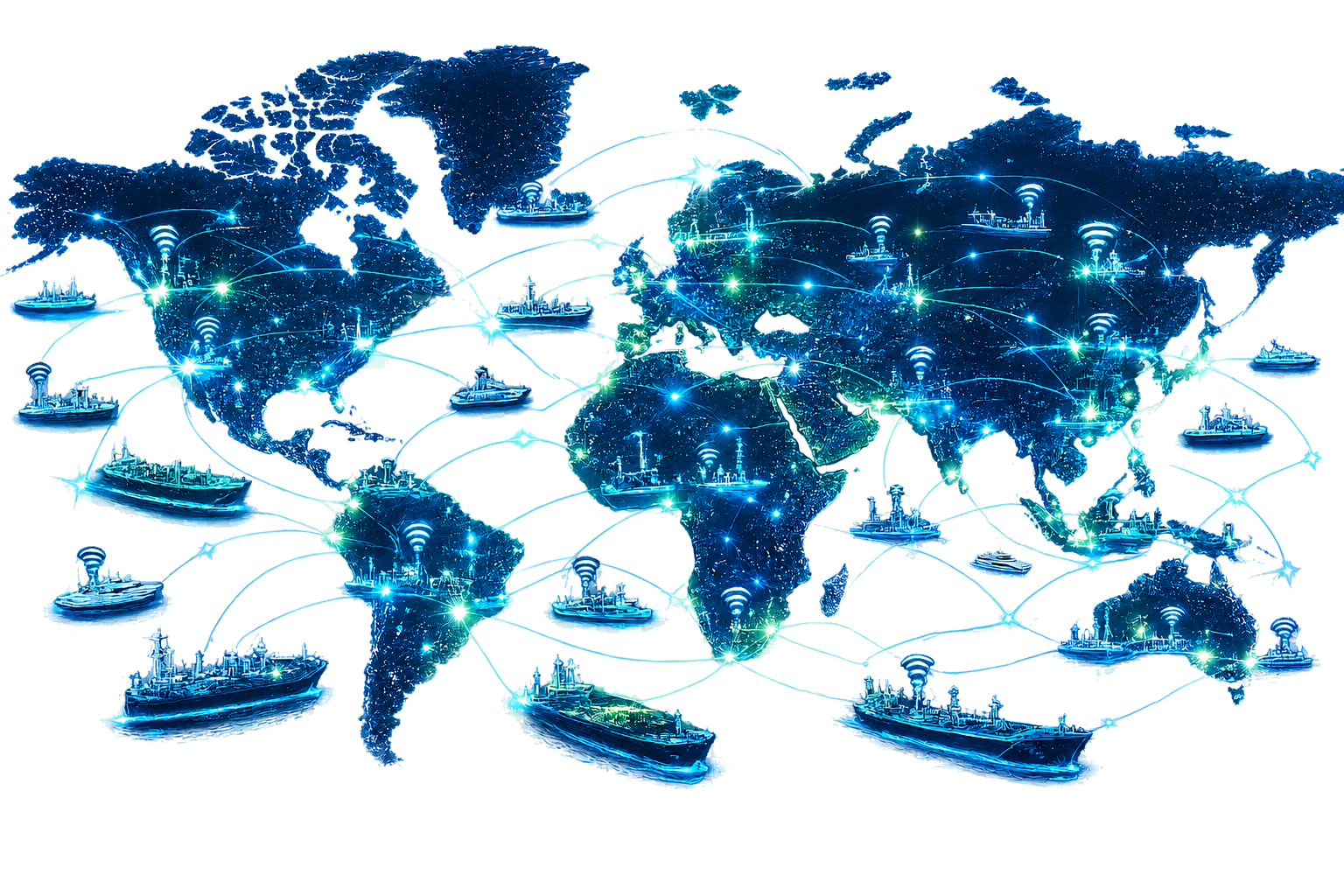
The network does not rely on traditional mining mechanisms. Instead, it operates through a decentralized validation framework based on Proof of Marine Data Quality (PoMDQ) for real-world data collection, validation, monetization and ultra-fast settlement powered by blockchain.
An Italy-based AI startup supported by an international multidisciplinary team and strategic partners specialized in artificial intelligence, quantitative analysis, decentralized infrastructure, tokenization architectures, and next-generation services for the maritime ecosystem.